Turning a Costly Waste Stream into a Valuable Resource
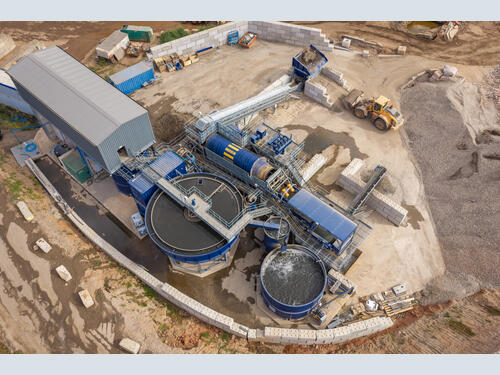
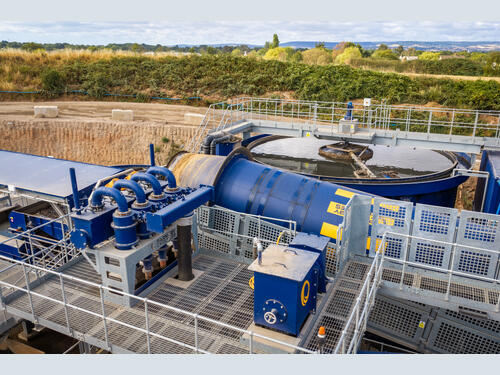
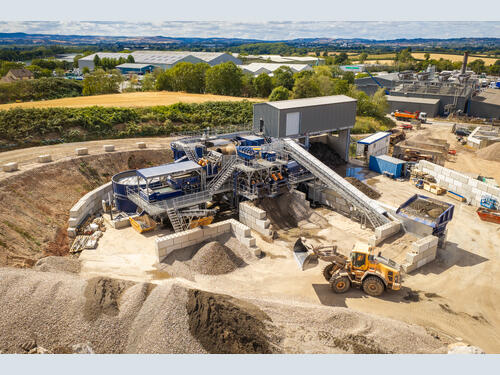
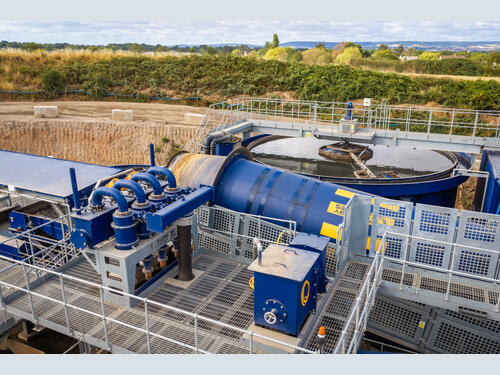
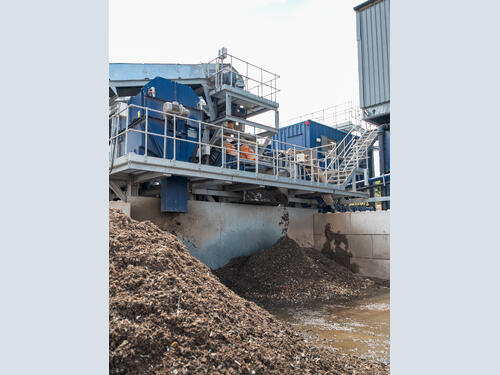
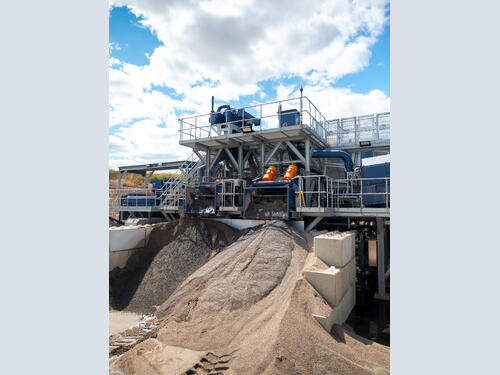
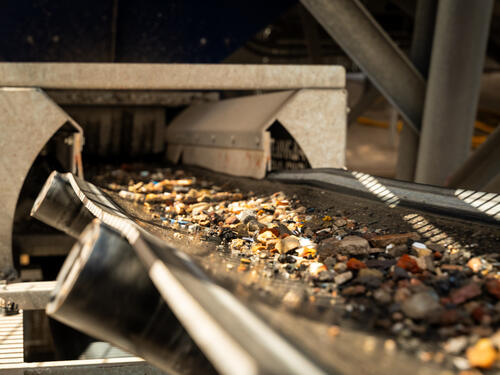
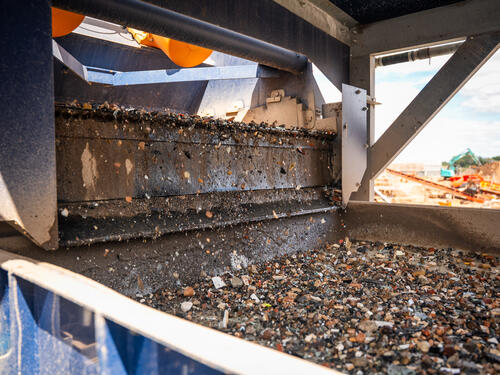
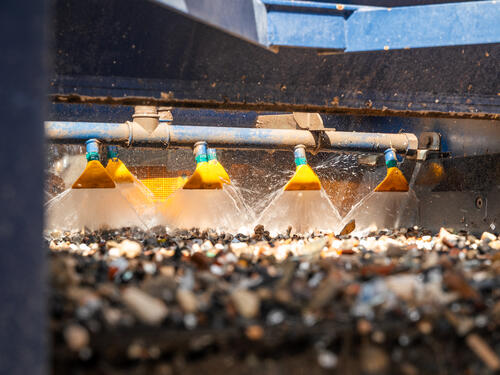
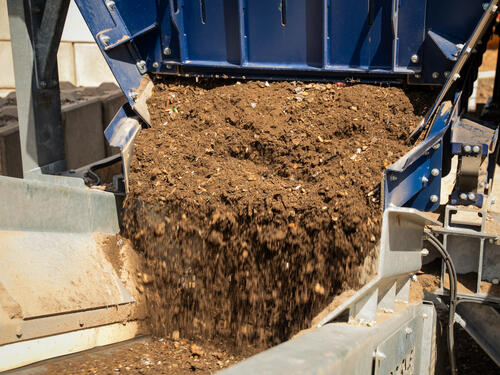


For many waste and recycling operators, skip fines represent one of the most challenging materials to process. Often containing high levels of organics, plastics, moisture and various metal contaminants, these waste streams can quickly become a costly burden rather than a source of recoverable value. In 2025, Stuart Partners found themselves precisely facing this challenge as increasing volumes of difficult material were being directed to landfill despite containing significant quantities of recoverable sand, aggregates, and metals.
The issue was not only environmental but financial. The company was spending between £300,000 and £350,000 each year on haulage costs associated with the disposal of skip fines. At the same time, potential changes to landfill taxation created uncertainty around future operating costs. With increasing pressure to improve recovery rates and reduce dependency on landfill, Stuart Partners recognised that a new solution was required.
After several months researching available technologies, Troy Stuart began discussions with Parnaby Cyclones in July 2025. During the evaluation process, Parnaby demonstrated the capabilities of its Natural Medium Barrel Plant, designed specifically to treat complex waste streams that many conventional systems struggle to process efficiently.
What immediately stood out to the Stuart team was the plant's straightforward yet highly robust design. The Natural Medium Barrel's resistance to material entanglement, combined with its unique dynamic density separation process, offered a practical solution for handling waste streams containing a broad range of contaminants. Unlike many alternatives on the market, the system is not constrained by floats capacity, allowing operators greater flexibility when processing materials with high organic and plastic content.
The relationship between the two companies quickly developed beyond that of a traditional supplier and customer. As family-run businesses, both organisations shared similar values, with direct communication playing a central role throughout the project. From the earliest stages, Troy Stuart and his sons, Tom and Jack, worked closely with Adrian Parnaby and Ian Parnaby, ensuring the final design was tailored to the operational requirements of the Stuart Partners site.
Working collaboratively with the Stuart team, Parnaby developed a fully customised plant layout capable of processing material below 50mm while retaining the flexibility to treat material up to 100mm where required. The plant was designed for a feed rate of 50 tonnes per hour.
The first stage of the system centres on the Natural Medium Barrel. Here, density separation is used to divide the material into distinct fractions. Lightweight contaminants migrate towards the lower end of the inclined barrel, while heavier aggregate material is conveyed upwards. Integrated sizing components also allow material below 4mm to be separated and directed towards further refinement.
Following the initial separation stage, the material enters Parnaby's Natural Medium Cyclone System, where further cleaning of the sand fraction takes place. Using dynamic forces, the cyclone system effectively separates remaining light contaminants from the sand, helping to produce a cleaner and more marketable product.
To maximise efficiency, Parnaby incorporated a Roto-sieve system to manage the lightweight fraction. Continuous cleaning of the rotating screening drum helps prevent blockage and maintains throughput, even when processing fibrous materials that would quickly blind conventional screening surfaces.
The third stage focuses on classification and fine sand recovery. Parnaby's classifying cyclones allow precise adjustment of particle size distribution while simultaneously controlling the material entering the effluent treatment system. This allows Stuart Partners to optimise production according to market demand.
While material recovery attracts most of the attention in a washing plant, effective water management is often the key to long-term performance. Recognising this, Parnaby designed a comprehensive effluent treatment system as the fourth and final stage of the process.
The effluent treatment system comprises water conditioning, solids concentration and solids dewatering. A thickener concentrates suspended solids while allowing clarified water to be returned to the washing circuit. The thickener underflow is then transferred to a buffer tank before progressing to the dewatering stage.
The filter press is the final part of the Effluent Treatment System. During the concept stage of the project Parnaby provided two options for Troy and Tom to consider. These being the Parnaby Multi Roll Filter Press and the Plate Filter Press. The MRF Press technology allows for continuous operation with a small footprint, reduced slurry storage, lower energy cost, and capital cost as a trade-off against lower moisture content in the filter cake and lower floc usage with a plate filter press. Parnaby are committed to providing the best technology to suit their clients’ operational constraints so were happy to openly discuss the pros and cons for both systems and in Stuart Partners case as they were more familiar with plate filter press system and space was less of a concern, they decided to proceed with that technology.
To provide additional confidence in the proposed design, Parnaby arranged independent filter cake testing and analysis. Given the particularly high organic content of the material being processed, a membrane Plate Filter Press was selected from Diemme Filtration to maximize moisture reduction and improve filter cake release.
Beyond the immediate recovery benefits, the project has strengthened Stuart Partners' ability to respond to changing markets and regulatory pressures. As disposal costs and environmental expectations continue to evolve, having a flexible processing solution provides significant long-term value. The plant's ability to adapt to variable feedstocks reduces operational risk while creating opportunities to recover additional resources. By combining proven separation technologies with a tailored plant design, Stuart Partners has established a platform for continued growth while reducing reliance on landfill and improving resource recovery across its operations.
Today, Stuart Partners is successfully recovering value from a difficult waste stream that previously represented a significant disposal cost. By diverting material from landfill and recovering saleable products, the company has transformed an operational challenge into an opportunity.
Client Testimonial
Tom Stuart, Stuart Partners - “We operate a diverse business, and my focus is the soil recycling facility. We currently run two wash plants, including our recently installed Parnaby system, which processes trommel fines and mid-size waste streams.
One of the things that immediately appealed to us about Parnaby was that they are a family business, just like us. They have been fantastic to work with throughout the project. We were particularly impressed by the build quality of the equipment, the robustness of the machines and the depth of experience the team has within flotation and aggregate separation.
The support we have received has been exceptional. Throughout commissioning and beyond, Parnaby has had experienced personnel on site helping us optimise the plant and achieve the best possible performance.
I would not hesitate to recommend Parnaby Cyclones. They are genuine people who care about their customers and stand behind their products. When you need advice or support, someone is always available to help. We are extremely pleased with both the plant and the team behind it.”