Digital alarm: Don't put burden on consumers to end wasteful 'fast tech' culture. I
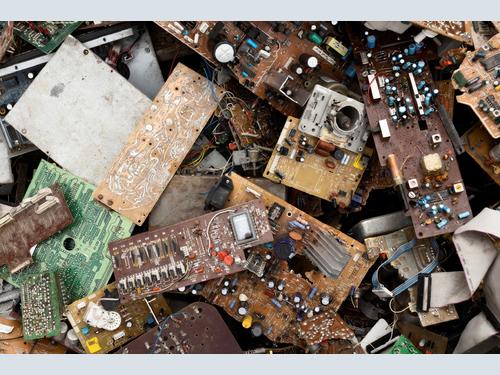
Disposable tech like mini-fans, LED balloons, and electronic pets are a looming economic and environmental catastrophe
Consumers should not be expected to bear the brunt of the responsibility for the growing problem of cheap and disposable electronics, warns UK sustainable tech company In2tec.
A report by Material Focus, a not-for-profit organisation which aims to stop the nation throwing away or hoarding electrical items, recently outlined how the ‘fast tech’ trend is accelerating, with 7.9m sunset light projectors, light-up toilet seats, mini karaoke machines, and LED balloons sold during the last 12 months.
These cheap fad items usually see limited use and are then either thrown away or languish in drawers and attics, despite containing vital and dwindling resources like lithium, copper, and gold. Disposable electronics also ruin the health of people in vulnerable communities, demand massive amounts of energy, and inflict irreversible damage to our planet.
Most experts agree that consumers should think before they buy the latest fast tech item and weigh up if they really need it, while urging them to recycle anything with a plug, battery, or cable.
However, Emma Armstrong, Sustainable Electronics Ambassador and Group Commercial Director at In2tec Ltd, says changing consumer behaviour should not be the sole focus of efforts to combat the growing problem.
She said: “While shifts in purchasing habits are important, the electronics sector has a massive role to play.
“When an electronic device becomes obsolete or breaks it is dumped in landfill or burned, which wastes the materials in the circuit board and creates further environmental and social problems.
“Planned obsolescence and conventional wasteful electronic design must be replaced by modular technologies that are far easier to repair, replace, and recycle.
“Obviously, shoppers being more thoughtful will have a huge impact, but any efforts to transition to a low carbon economy must incorporate sustainable technology.
“Fortunately, there are tonnes of benefits of repairing and recycling otherwise obsolete technology – saving the environment, conserving vital rare earth elements, aluminium, copper, and steel, and improving the health of waste pickers who work in the informal recycling industry in the developing world.”
In the Material Focus report, consumer expert Professor Cathrine Jansson-Boyd said fast tech, like fast fashion, is a fast-growing serious global issue – annual spend has grown from £2.8 billion to £11.6bn between 2023 to 2025. Meanwhile, 84% of the UK population bought fast tech in the last year, with each adult owning an average of 21 items.
Emma added: “The answer is circularity in the electronics industry, but for too long it has been seen as an impossibility because of technical challenges, including the complexity of conventional circuit boards and the limited repair, recycling, and reusability options they present.
“Now there are products designed to be disassembled and modular, allowing for the simple and safe reuse of materials and components.”
Since 2001, In2tec has worked to slash the impact of ewaste and provide innovative and cost-effective solutions to the growing problem of throwaway electronics. In2tec’s mission is to counter the prevailing narrative that recycling electronics is prohibitively expensive. Our technology removes the tech industry’s vulnerability to volatility, material scarcity, and tightening environmental regulations.
The company’s signature ReUSE® and ReCYCLE™ tech allows manufacturers to easily remove components from existing electronics at the end of their useful life and reuse them. They are unique, budget-friendly, and slash the environmental and social cost of electronics.
ReUSE® is a series of materials, processes and design principles used to manufacture circuit boards that makes them modular – so they can easily be replaced, repaired, recycled, and reused.
Meanwhile, ReCYCLE™ is the ultra-low energy process for unzipping circuit boards to the original bill of materials (BoM). It is a combination of proprietary processes that permanently change the chemistry of circuit board assemblies, allowing them to be easily returned to their constituent parts.